Pine Tree Rustic Winter Wedding Card Print Templates
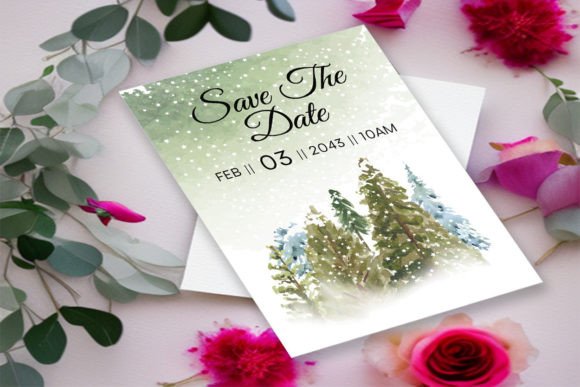
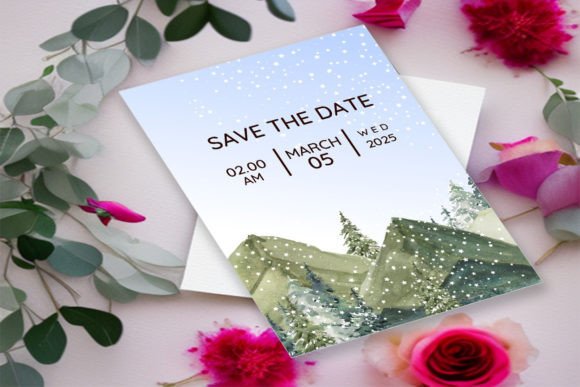
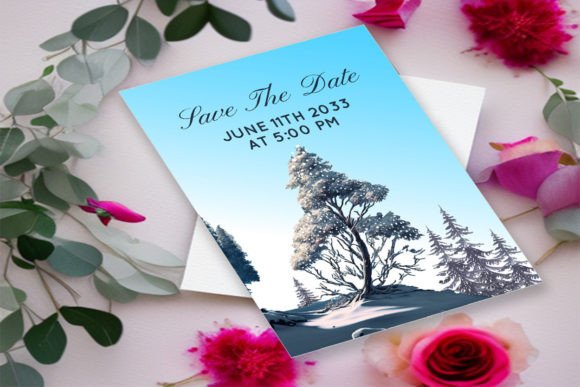
As a digital publisher and blog designer constantly scouting for versatile assets, my first impression of the Pine Tree Rustic Winter Wedding Card was one of immediate editorial warmth. In the saturated market of seasonal content, this graphic design asset strikes a delicate balance between nostalgic charm and modern clarity. It does not feel like a generic clip-art compilation; rather, it possesses the texture and intentionality required for high-end lifestyle publishing. The visual mood is distinctly organic and serene, evoking a sense of quiet luxury that resonates deeply with audiences in the wedding, home decor, and sustainable living niches. For content creators, this specific aesthetic signals authenticity, which is crucial for building reader trust before they even engage with the body copy.
Editorial Applications Beyond the Invitation
While the product name suggests a singular use case, experienced publishers know that high-quality print templates are foundational elements for broader content marketing strategies. I have tested this asset across multiple publishing workflows, and its utility extends far beyond traditional stationery. When adapted for web design, the pine motif serves as an exceptional anchor for winter-themed editorial calendars. As a website header or hero image, it provides immediate seasonal context without overwhelming the navigation or primary call-to-action buttons. The negative space inherent in the rustic layout allows for clean typography overlays, making it ideal for announcing seasonal sales, holiday gift guides, or winter wellness series.
For affiliate marketers and bloggers, this asset transforms into powerful Pinterest pin graphics. The vertical composition typical of wedding cards translates seamlessly to the 2:3 aspect ratio preferred by social media algorithms. Unlike busy, cluttered designs that fail at small sizes, the bold simplicity of the pine illustration maintains visual hierarchy even in a crowded feed. I have also found it effective as a cover for digital products. Whether you are creating a lead magnet checklist for winter wedding planning or a comprehensive digital guide on seasonal hosting, this design elevates the perceived value of the downloadable resource. It bridges the gap between a freebie and a premium paid product through sheer visual polish.
Enhancing Brand Identity and Reader Trust
Visual consistency is the backbone of successful small business branding. Using cohesive design assets like the Pine Tree Rustic Winter Wedding Card helps establish a recognizable brand identity across disparate platforms. When a subscriber sees this rustic aesthetic in your newsletter banner and then encounters it again on your blog’s featured image, it reinforces brand recall. This consistency reduces cognitive load for the reader, allowing them to focus on your message rather than deciphering a disjointed visual experience. Furthermore, the professional finish of this creative design implies that the content itself is well-researched and trustworthy. In competitive niches like wedding planning or artisanal retail, amateur visuals can deter potential clients, whereas polished editorial design signals competence and attention to detail.
The asset also supports stronger click-through potential when used strategically. In A/B testing scenarios for email subject lines and preview images, nature-inspired, textured backgrounds often outperform flat colors during the winter season because they evoke an emotional response. However, this only works if the text remains legible. The rustic texture should enhance the headline, not compete with it. When used as a category thumbnail for blog archives, it helps users intuitively navigate to seasonal content, improving site stickiness and reducing bounce rates.
Strategic Placement and Visual Hierarchy
To maximize the impact of this graphic design asset, placement must be intentional. It performs best in areas where emotional connection drives engagement. Hero sections, article thumbnails for lifestyle posts, and social media previews are prime real estate. It is particularly effective for content upgrades; imagine offering a printable wedding timeline or a budget tracker styled with this pine motif. The continuity between the blog post and the downloadable PDF creates a seamless user experience that encourages email signups.
However, publishers must exercise caution in certain contexts. This asset is less suitable for highly technical corporate content, financial advice columns, or serious medical blogs where a sterile, minimalist aesthetic conveys necessary authority. Additionally, be mindful of mobile responsiveness. Intricate rustic textures can sometimes appear muddy on low-resolution screens or when compressed aggressively for web performance. Always test the asset as a thumbnail size before committing it to a sidebar or footer widget. If the pine details vanish at 300 pixels wide, reserve the design for larger formats like newsletter headers or full-width blog banners. Avoid placing white text directly over detailed branches without a semi-transparent overlay, as readability issues will destroy your conversion rates regardless of how beautiful the underlying art is.
Publisher Workflow and Technical Considerations
Integrating the Pine Tree Rustic Winter Wedding Card into a live production environment requires a disciplined workflow. Before publishing, I always run through a specific quality assurance checklist to ensure the asset supports both aesthetics and performance:
- Typography Pairing: Test the asset against your site’s font stack. This rustic style pairs beautifully with elegant serifs for headlines but requires clean sans-serifs for body text to maintain modern readability. Avoid overly ornate script fonts that might clash with the organic texture of the pine illustration.
- Contrast Verification: Use accessibility tools to check contrast ratios. Rustic designs often feature mid-tone browns and greens that can be problematic for text overlay. Ensure your headlines meet WCAG standards for visual accessibility.
- File Optimization: High-resolution print templates are often too large for web use. Convert the file to WebP format and compress it to under 150KB for standard blog graphics to prevent slowing down your page load speed, which negatively impacts SEO.
- Licensing Compliance: This is non-negotiable for commercial publishers. Verify the commercial license terms specifically regarding digital downloads and affiliate marketing. Some licenses allow for use in blog posts but prohibit using the asset as part of a product for resale or a lead magnet. Confirm your rights before monetizing any content featuring this design.
- Cross-Device Testing: Preview the graphic on desktop, tablet, and mobile. Ensure the focal point of the pine tree remains visible after responsive cropping. What looks centered on a monitor might be cut off on a smartphone screen.
By treating the Pine Tree Rustic Winter Wedding Card as a strategic component of your content ecosystem rather than just a decorative element, you unlock its full potential. It becomes a tool for storytelling, a vehicle for brand consistency, and a catalyst for higher engagement. Whether you are designing a Canva template for clients, crafting a holiday newsletter, or building a seasonal affiliate campaign, this asset offers the professional polish necessary to stand out in a crowded digital landscape. Remember that great editorial design is invisible; it should guide the reader effortlessly toward your content goals while creating an atmosphere that feels both curated and authentic.