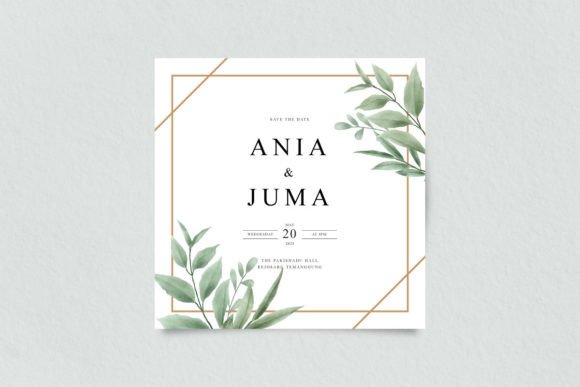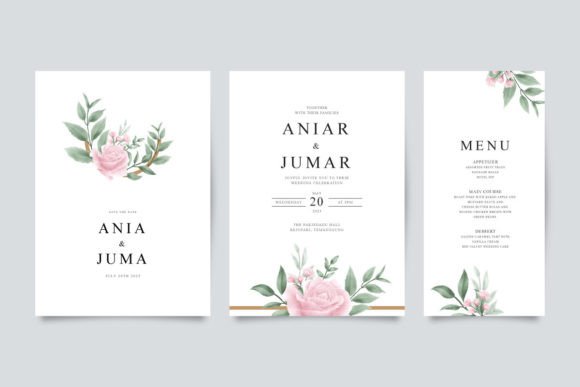
Wedding Invitation Template with Roses: A Stitch Review
When I first opened the Wedding Invitation Template with Roses, my immediate thought was not about paper or ink, but about how these elegant floral lines would translate into thread. As an experienced embroidery designer and product reviewer, I constantly evaluate digital assets through the lens of a needle and hoop. While this asset is categorized under Print Templates, its intricate rose motifs and balanced typography offer significant potential for adaptation into machine embroidery design projects. For Etsy sellers, craft business owners, and makers looking to expand their wedding season offerings, understanding how this visual style transitions from screen to fabric is essential for creating high-value handmade products.
Translating Print Aesthetics to Thread Reality
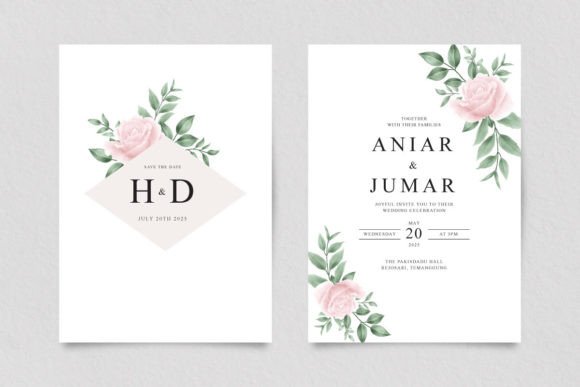
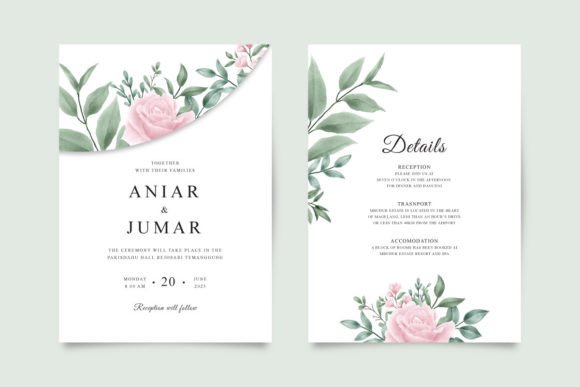
The visual personality of this template is undeniably romantic and classic. The roses are rendered with enough detail to suggest luxury without appearing cluttered, which is a critical balance for embroidery. In print, fine lines are effortless; in embroidery, they require strategic planning. When evaluating this design for a real project, I immediately visualized it as a centerpiece for custom apparel or bridal accessories rather than just stationery. The layout suggests a natural frame, making it ideal for sweatshirt embroidery on the back of a denim jacket or as a refined tote bag design for bridesmaids.
However, moving from a print template to an embroidered patch or finished product requires respecting stitch density. The roses in this template likely feature varying line weights. For a successful embroidery file conversion, the thicker lines would need to become satin stitch columns, while the delicate shading might require light fill stitch or running stitch details. If you are using this as inspiration for digitizing, or if you are pairing it with a companion embroidery file, ensure the floral elements maintain their integrity when scaled. A design that looks beautiful at 8 inches on a screen can lose its charm if reduced to 2 inches without adjusting the stitch type.
Real-World Application: The Bridal Tote Test
To truly judge the utility of the Wedding Invitation Template with Roses, I mentally prototyped a specific scenario: creating personalized canvas tote bags for a boutique wedding party. This is a staple item for any small shop product lineup during spring and summer. Canvas provides a stable fabric texture that holds detailed embroidery well, making it the perfect testing ground for this aesthetic.
In this application, the template’s composition serves as more than just decoration; it acts as a branding element. For a commercial embroidery project, consistency is key. Using this specific rose motif across multiple items—matching the invitation suite, the bridal tote, and perhaps a ring bearer pillow cover—creates a cohesive narrative that increases perceived value. Customers trust handmade products that look intentional. When the embroidery mirrors the printed stationery, it elevates the entire package from a simple craft to a professional design service. However, I would advise against placing this design too close to the tote bag seams. The bulk of the seam allowance can cause hoop slippage or uneven tension, distorting those precise rose petals.
Navigating Fabric Limitations and Stabilizer Choices
While the Wedding Invitation Template with Roses exudes elegance, it demands respect for fabric limitations. Not every textile can support intricate floral embroidery without proper preparation. If you plan to adapt this aesthetic for baby embroidery on onesies or lightweight linens, caution is necessary. Thin fabrics struggle to support dense satin stitch borders often found in rose designs. Without adequate stabilizer, the fabric will pucker, and the design will warp, ruining the professional finish your clients expect.
For stretchy fabrics like jersey knits used in t-shirts or baby clothes, a cut-away stabilizer is non-negotiable. The organic curves of the roses can pull against the grain of knit fabric, causing tunneling. I always recommend testing the design on scrap fabric first. Run a sample with your intended thread colors and stabilizer combination before committing to the final personalized gift. Additionally, consider the washability. Wedding items are often keepsakes, but tote bags and apparel get used. Ensure your stitch density is durable enough to withstand laundering without fraying, especially if using rayon threads which can be less colorfast than polyester.
Color Contrast and Visual Clarity
The impact of this design relies heavily on thread color contrast against the fabric background. In print templates, white space is active and clean. In embroidery, the fabric color becomes that white space. Dark fabrics present a unique challenge for the Wedding Invitation Template with Roses. Traditional bridal roses are often pale pinks, creams, or whites. Stitching these light colors onto navy or black fabric requires high opacity to prevent the dark background from showing through the stitches. This increases stitch count and density, potentially making the design stiff.
Conversely, stitching dark roses on white fabric can sometimes look harsh if the transition isn't managed with blending threads. For digital product sellers offering printable mockups alongside physical goods, test both light and dark fabric backgrounds. Your customers need to see how the design adapts. A mockup that only shows the design on white linen doesn't help the buyer envision it on a dark denim apron or charcoal pillow cover. Versatility sells, but only if the execution remains crisp across different palettes.
Commercial Viability and Licensing Awareness
For creative entrepreneurs and Etsy sellers, the Wedding Invitation Template with Roses represents a dual opportunity: physical products and digital assets. However, practical judgment must extend to licensing. Before listing any finished product or derivative digital embroidery file, confirm the specific license terms associated with this template. Some print templates allow for personal use only, while others permit commercial application in handmade goods but prohibit reselling the design itself as a standalone digital file.
If you are digitizing this template yourself to create a new embroidery file, understand that the resulting file is a derivative work. Protect your business by documenting your process and ensuring you have the right to adapt the artwork. For small business merchandise, this design works exceptionally well for seasonal holiday embroidery or wedding season promotions because of its timeless appeal. It avoids trendy fads, meaning inventory featuring this motif is less likely to expire unsold. Just remember to check whether the license covers both the physical sale of the embroidered patch or apparel and the use of the image in your marketing materials.
Designer Notes for Successful Execution
Before you hoop up or list this design in your shop, run through this practical checklist derived from years of production experience:
- Verify Hoop Size Compatibility: Do not assume the design fits your largest hoop. Measure the actual stitch area, including safety margins, to avoid hitting the hoop edges during stitching.
- Inspect Small Details: Zoom in to 400% on your embroidery software. Are the rose leaves distinct, or do they merge into a blob? Simplify tiny elements if they fall below 1mm width to prevent needle breaks.
- Test Thread Tension: Floral designs often involve frequent color changes and direction shifts. Ensure your machine tension is balanced to prevent looping on the backside, which ruins the heirloom quality.
- Evaluate Text Legibility: If incorporating text from the template, ensure font sizes remain readable after stitching. Serif fonts common in wedding templates often require modification for embroidery to prevent jagged edges.
- Mockup Realism: When creating listings, use textured overlays in your printable mockup to simulate thread sheen and fabric weave. Flat vector previews mislead buyers about the tactile nature of the finished product.
The Wedding Invitation Template with Roses is more than a static graphic; it is a blueprint for emotional connection through craftsmanship. Whether you are stitching a bespoke gift or building a commercial embroidery line, treating this template with technical respect ensures the final result honors both the original artistry and your reputation as a maker. Always prioritize the physical reality of thread over the digital perfection of the screen, and your projects will resonate with authenticity and quality.